

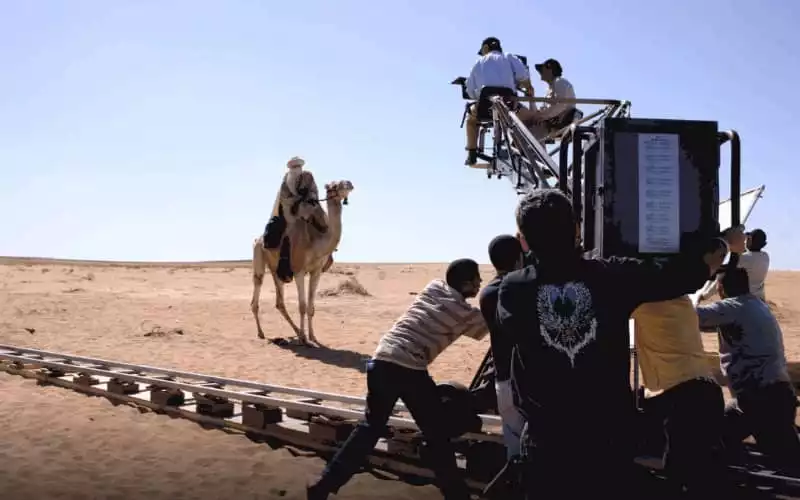
The Cultural Impact of Moroccan Cinema
Moroccan cinema has undergone significant changes and growth over the past few decades. With increased investment in the industry, Morocco’s film industry has become more innovative, diverse, and influential. In this essay, we will explore the cultural impact of Moroccan cinema and how it has contributed to the country’s cultural identity.
One of the most significant impacts of Moroccan cinema is its portrayal of the country’s cultural identity. Moroccan cinema often highlights the country’s rich cultural heritage, from its traditions and customs to its history and folklore. Through films such as “Ali Zaoua: Prince of the Streets” and “Casanegra,” Moroccan filmmakers have showcased the complexities and diversity of Moroccan society, creating a more nuanced and multidimensional portrayal of the country’s cultural identity.
In addition to its cultural representation, Moroccan cinema has also played a vital role in social commentary and political criticism. Films such as “Mimosas” and “Razzia” address issues such as poverty, corruption, and social inequality, shedding light on some of the country’s most pressing issues. These films have sparked national debates and discussions, demonstrating the power of cinema to bring about social and political change.
Moroccan cinema has also contributed to the country’s economy and global visibility. The film industry has created jobs and stimulated economic growth, particularly in cities like Ouarzazate and Casablanca, which have become major production hubs. Additionally, Moroccan films have gained international recognition, with films like “Horses of God” and “Adam” receiving critical acclaim at major film festivals around the world, increasing the country’s global visibility and cultural influence.
Another important cultural impact of Moroccan cinema is its role in shaping the next generation of filmmakers and artists. The industry has provided opportunities for emerging talent, encouraging a new wave of Moroccan filmmakers to experiment with new forms, genres, and storytelling techniques. Through training programs, workshops, and mentorship, the industry is cultivating a new generation of filmmakers and artists who will continue to shape the cultural identity of Morocco in the years to come.
In conclusion, Moroccan cinema has had a profound cultural impact, contributing to the country’s cultural identity, social commentary, economic growth, and global visibility. By highlighting the country’s rich cultural heritage, addressing social and political issues, and fostering emerging talent, Moroccan cinema has become a powerful tool for cultural expression, artistic innovation, and social change.
reed more : The rise of Morocco as a film production hub