
The Role of Women in Moroccan Cinema
Moroccan cinema has a long and complex history, reflecting the cultural, social, and political changes that have taken place in the country over the past few decades. One of the most notable changes has been the increased participation of women in the industry, both in front of and behind the camera. In this essay, we will explore the role of women in Moroccan cinema and the impact they have had on the industry.
Historically, the film industry in Morocco has been dominated by men, with women’s participation limited to minor roles or behind the scenes work. However, this has started to change in recent years, with more and more women entering the industry and making their voices heard. Women have become actors, writers, directors, producers, and editors, bringing a new perspective and diversity to Moroccan cinema.
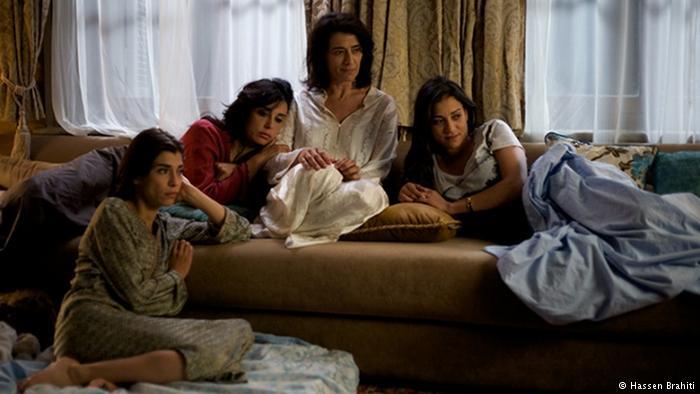
One of the most significant impacts of women’s participation in Moroccan cinema has been the increased representation of women’s experiences and perspectives in films. Through films like “Rock the Casbah” and “Aida,” Moroccan women filmmakers have tackled issues such as gender inequality, sexual harassment, and domestic violence, drawing attention to some of the most pressing issues facing women in Moroccan society. These films have not only contributed to a more nuanced and diverse portrayal of women in Moroccan cinema but have also helped to spark national conversations about women’s rights and empowerment.
In addition to their contributions to storytelling, women have also played an important role in the technical aspects of film production. Women have become skilled cinematographers, editors, and sound technicians, bringing their unique perspectives and talents to the industry. Moreover, the presence of women in these roles has helped to break down gender stereotypes and promote more inclusive work environments.
The increased participation of women in Moroccan cinema has also had broader societal implications. By providing opportunities for women in a traditionally male-dominated industry, the film industry is promoting gender equality and challenging societal norms. Additionally, the success of women in the industry is inspiring other women to pursue careers in film and other creative industries, contributing to a more diverse and inclusive cultural sector.
In conclusion, the role of women in Moroccan cinema has become increasingly significant in recent years, contributing to a more diverse and nuanced portrayal of women’s experiences and perspectives. By breaking down gender stereotypes, promoting gender equality, and inspiring future generations of filmmakers, women are helping to shape the cultural identity of Morocco and create a more inclusive and equitable society.